


-

Add: HeBei ShengShi HongBang Cellulose Technology CO.,LTD.
-

Email
13180486930@163.com -

CONTACT US
+86 13180486930

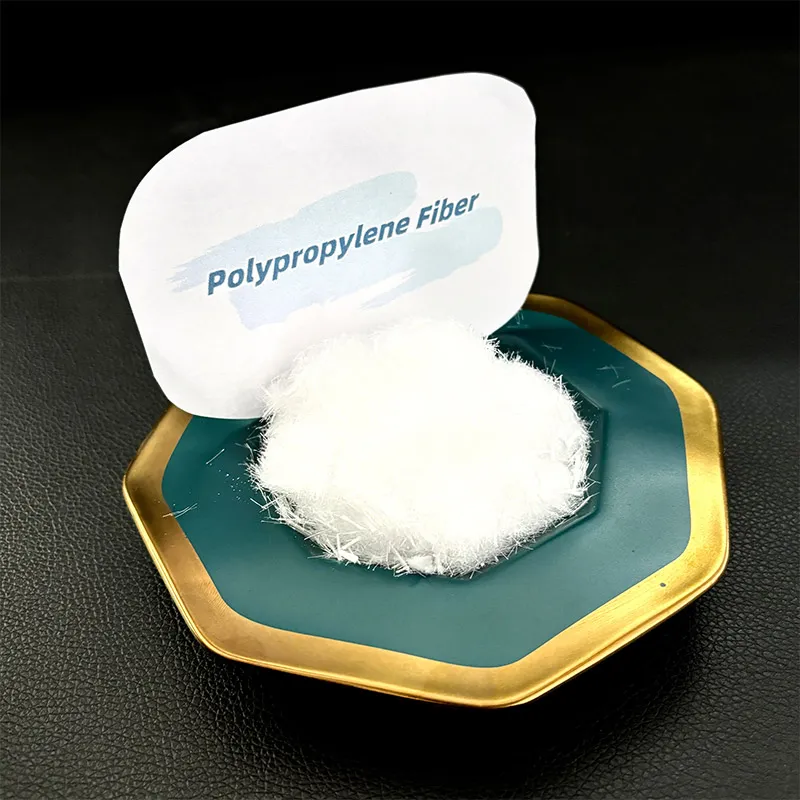


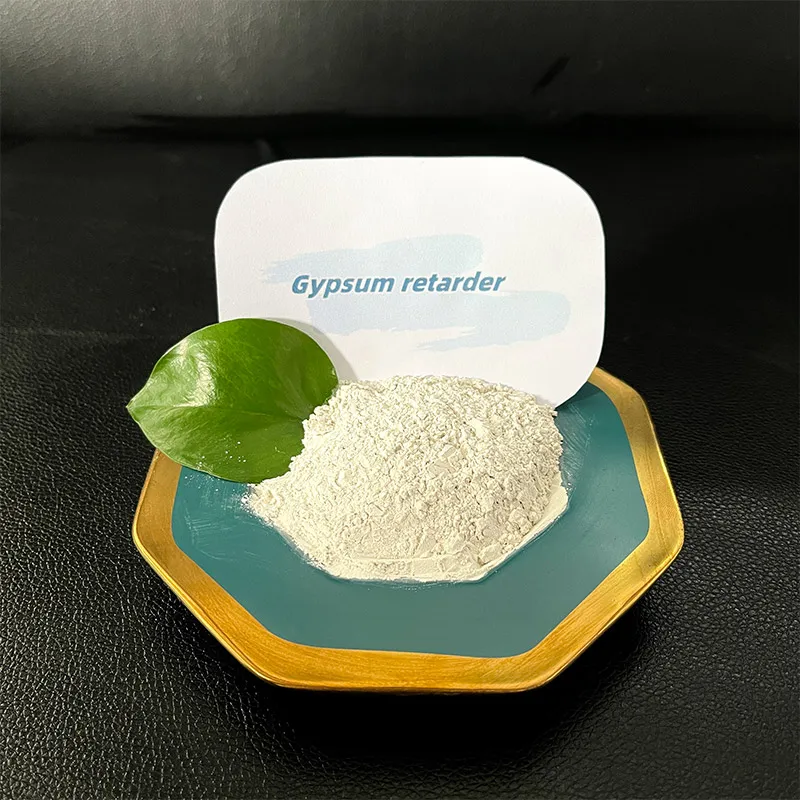
Understanding Gypsum Retarders in Modern Construction In the dynamic landscape of modern construction, efficiency and performance are paramount. Among the myriad of chemical additives that enhance building materials, the plaster retarder stands out as a critical component, specifically engineered to extend the setting time of gypsum-based products. This specialized chemical additive is indispensable for applications requiring prolonged workability, such as large-scale plastering projects, intricate decorative work, or the manufacturing of gypsum boards and blocks. By precisely controlling the hydration process of calcium sulfate hemihydrate, which is the primary component of gypsum, these retarders allow for greater flexibility during application, ensuring a smoother finish and reducing material waste. The precise formulation of a gypsum retarder chemical is crucial, as it directly influences factors like initial setting time, final setting time, and the overall mechanical properties of the cured plaster. Professionals in the construction sector, from architects to site managers and material scientists, increasingly recognize the profound impact that a well-chosen gypsum retarder can have on project timelines, labor costs, and the ultimate quality of the finished structure. Its role is not merely to delay setting but to optimize the entire application process, making it more manageable and predictable. This article delves into the technical intricacies, application benefits, and strategic importance of these essential additives in today's building industry, providing insights vital for B2B decision-makers. The Manufacturing Process of Gypsum Retarders The production of a high-quality gypsum retarder is a sophisticated chemical engineering process that demands precision and stringent quality control. Unlike industrial components that undergo casting or CNC machining, chemical additives like plaster retarders are synthesized through a series of controlled reactions and physical processing steps. The primary raw materials typically include organic acids, salts, or proteins, which are carefully selected for their ability to interfere with gypsum's hydration kinetics. The manufacturing journey begins with the meticulous procurement and pre-treatment of these raw materials, ensuring their purity and consistency, often adhering to international standards like ISO 9001 for quality management systems. Following this, the core process involves precise blending and reaction of these components in a controlled environment, often at specific temperatures and pressures, to form the active retarding agent. This phase is critical to achieve the desired molecular structure and efficacy. After the reaction, the resultant liquid or paste is typically subjected to drying processes, such as spray drying or fluidized bed drying, to convert it into a fine powder. This ensures ease of handling, stable storage, and uniform dispersion in gypsum formulations. The dried material then undergoes milling and sieving to achieve a consistent particle size distribution, a crucial factor influencing its dissolution rate and retarding efficiency. Each batch is rigorously tested against established performance benchmarks, including analysis of purity, pH, moisture content, and, most importantly, its actual retarding effect on gypsum slurries, often measured using Vicat apparatus according to standards like EN 13279. This comprehensive quality assurance protocol ensures that every kilogram of plaster retarder meets the highest industry specifications, offering reliable performance for its intended application in the construction sector, particularly in the production of gypsum plasters and boards, where controlled setting times are vital for large-scale operations and complex installations. Technical Specifications and Performance Parameters Selecting the appropriate gypsum plaster retarder requires a deep understanding of its technical parameters and how they translate into application performance. Key specifications typically include chemical composition, purity, pH value, moisture content, and particle size distribution. However, the most critical performance indicators revolve around its impact on gypsum's setting characteristics: initial setting time extension and final setting time extension. These are directly influenced by the retarder's dosage and the specific gypsum formulation. A highly efficient retarder allows for a lower dosage to achieve the desired extension, thereby reducing material costs and ensuring the cured plaster maintains optimal strength and durability. Manufacturers often provide detailed data sheets outlining these parameters, alongside recommended dosage ranges for various gypsum types and desired setting profiles. For instance, a premium gypsum retarder chemical might extend the initial setting time from a typical 5-10 minutes (for pure gypsum) to 30-60 minutes, or even several hours, depending on the concentration. This extended workability is crucial for large areas or when intricate details need to be sculpted. Furthermore, a high-quality retarder should not adversely affect the final strength development of the plaster or introduce undesirable side effects like efflorescence or reduced adhesion. Compatibility with other additives, such as superplasticizers or air-entraining agents, is also a vital consideration, ensuring synergistic performance in complex formulations. Below is a typical data table illustrating key parameters for a leading gypsum retarder, showcasing how precise specifications contribute to predictable and superior performance in diverse construction applications. Typical Technical Parameters of High-Performance Gypsum Retarder Parameter Unit Typical Value Test Method / Standard Appearance - White to Off-white Powder Visual Inspection Purity % ≥ 98.0 HPLC pH (1% solution) - 6.0 - 8.0 ASTM E70 Moisture Content % ≤ 2.0 Karl Fischer Titration Particle Size (200 mesh pass) % ≥ 99.0 Sieve Analysis Initial Setting Time Extension (0.05% dosage) Minutes 30-60 (on standard gypsum) EN 13279 (Vicat) Final Setting Time Extension (0.05% dosage) Minutes 60-120 (on standard gypsum) EN 13279 (Vicat) Application Scenarios and Strategic Advantages The versatility of an extra time plaster additive makes it indispensable across a wide spectrum of construction applications, particularly those involving gypsum-based materials. In manual plastering, for example, the extended working time provided by a plaster retarder is critical. It allows plasterers to apply and finish large wall or ceiling areas without the risk of the material setting prematurely, which significantly reduces material waste and rework. This leads to substantial cost savings and improved labor efficiency on site. For the manufacturing of prefabricated gypsum products like plasterboards, gypsum blocks, or ceiling tiles, retarders enable continuous production lines by providing a controlled setting rate, ensuring consistent product quality and throughput. Without this precise control, production stoppages due to premature setting or inconsistencies in material flow would be frequent, impacting profitability. Beyond traditional plastering, gypsum retarder chemicals are vital in specialized applications such as gypsum-based self-leveling compounds, where a longer flow time is necessary for proper leveling before hardening. They are also crucial in dental gypsum and artistic plasterwork, where intricate details and extended manipulation times are paramount. The core advantage across all these scenarios is enhanced workability and flexibility, which translates into superior finish quality, reduced labor time, and optimized material usage. Furthermore, the ability to tailor the setting time allows manufacturers and contractors to adapt their gypsum formulations to varying ambient temperatures and humidity levels, ensuring consistent performance irrespective of environmental conditions. This adaptability is a significant competitive edge in global construction markets, where projects face diverse climatic challenges. By leveraging advanced plaster retarder technologies, companies can deliver high-quality, durable, and aesthetically pleasing gypsum applications, driving customer satisfaction and project success. Market Trends, Custom Solutions, and Case Studies The market for gypsum retarder is constantly evolving, driven by demands for greater sustainability, enhanced performance, and cost-efficiency. Current trends indicate a shift towards more eco-friendly formulations, including biodegradable and low-VOC (Volatile Organic Compound) options, aligning with global green building initiatives. Furthermore, there's increasing demand for highly efficient retarders that offer significant setting time extension at lower dosages, minimizing the additive's impact on the overall gypsum matrix while maximizing its economic benefit. This focus on efficiency and environmental responsibility is reshaping research and development efforts across leading manufacturers. While direct manufacturer comparisons are complex due to proprietary formulations, discerning buyers often evaluate suppliers based on their product consistency, technical support, ability to offer customized solutions, and adherence to international quality and environmental standards. Recognizing that "one size fits all" rarely applies in the diverse construction industry, reputable suppliers of plaster retarder often provide extensive customization services. This involves tailoring the chemical composition and dosage recommendations to perfectly match a client's specific gypsum source, desired setting profile, application method (e.g., manual vs. machine spray), and climatic conditions. For example, a client developing a specific type of rapid-setting gypsum-based self-leveling compound might require an extra time plaster additive with a very precise and predictable delay mechanism, optimized for high flowability and subsequent rapid hardening. Through collaborative R&D and pilot testing, manufacturers can develop bespoke solutions that unlock new levels of performance and cost-effectiveness for their clients. A notable case study involved a major European plasterboard manufacturer that, by partnering with a specialized retarder supplier, optimized their production line, reducing setting variations by 15% and increasing overall throughput by 10%, directly translating to significant operational savings and improved product quality consistency across their global facilities. This underscores the value of expert partnership in additive chemistry. Ensuring Trust and Authority: Our Commitment to Quality and Support In the B2B chemical additives market, trust and authority are built on a foundation of consistent quality, robust technical support, and transparent processes. As a leading provider of gypsum retarder chemicals , our commitment extends beyond merely supplying products; we strive to be a reliable partner in our clients' success. Our manufacturing facilities adhere to stringent ISO 9001:2015 quality management systems, ensuring every batch of plaster retarder meets predefined specifications through comprehensive testing protocols. This meticulous approach to quality control guarantees product consistency, a critical factor for manufacturers relying on precise setting times for their gypsum-based products. Our service history spanning over a decade, combined with a portfolio of successful partnerships with major construction material producers worldwide, exemplifies our proven track record and deep industry expertise. We understand that timely delivery and responsive support are paramount for B2B operations. Our typical delivery cycle for standard orders is 7-14 business days, with expedited options available for urgent requirements, ensuring minimal disruption to our clients' production schedules. Each shipment is accompanied by a Certificate of Analysis (CoA) and Material Safety Data Sheet (MSDS), providing complete transparency on product specifications and handling guidelines. Furthermore, our products come with a comprehensive quality assurance pledge, guaranteeing performance as per technical data sheets when stored and used according to recommendations. Our dedicated technical support team comprises experienced chemical engineers and application specialists who are readily available to assist with product selection, dosage optimization, troubleshooting, and custom formulation development. We also maintain a robust R&D department continuously exploring innovative solutions, including advanced extra time plaster additive variants to address emerging industry needs and environmental regulations. Frequently Asked Questions (FAQ) Q: What is the recommended dosage for your gypsum retarder? A: The optimal dosage varies depending on the type of gypsum, desired setting time, and environmental conditions. Generally, it ranges from 0.01% to 0.1% by weight of gypsum. We recommend conducting preliminary trials or consulting our technical team for precise recommendations tailored to your specific application. Q: How should gypsum retarders be stored? A: Our plaster retarder products should be stored in a cool, dry place, away from direct sunlight and moisture, in tightly sealed original packaging. Proper storage ensures product stability and preserves its efficacy for the stated shelf life, typically 12-24 months from the date of manufacture. Q: Are your gypsum retarders compatible with other additives? A: Yes, our retarders are generally compatible with most common gypsum additives like superplasticizers, air-entraining agents, and fibers. However, specific formulations may interact differently. We advise conducting compatibility tests or consulting our technical experts for complex additive systems to ensure optimal performance without adverse effects. References Mindess, S., Young, J. F., & Darwin, D. (2003). Concrete. Prentice Hall. (General reference for concrete/cementitious materials, concepts apply to hydration kinetics). Hewlett, P. C. (Ed.). (2004). Lea's Chemistry of Cement and Concrete. Butterworth-Heinemann. (Specialized text on cement chemistry, relevant to gypsum hydration mechanisms). European Standard EN 13279: Gypsum binders and gypsum plaster. Definitions, requirements and test methods. (Industry standard for testing gypsum products). Standard Practice for pH of Aqueous Solutions with the Glass Electrode, ASTM E70-19. (Method for pH measurement relevant to chemical additives). ISO 9001:2015 Quality management systems – Requirements. (International standard for quality management in manufacturing).
- 40000tons

Production
- 20+years

Experience
- 5000+㎡

Acreage

-
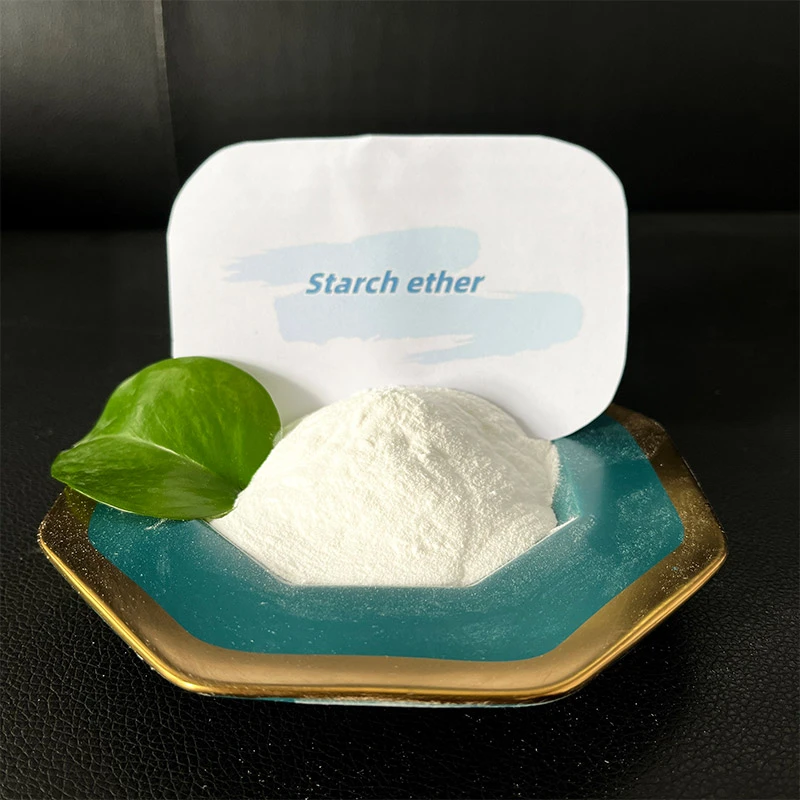
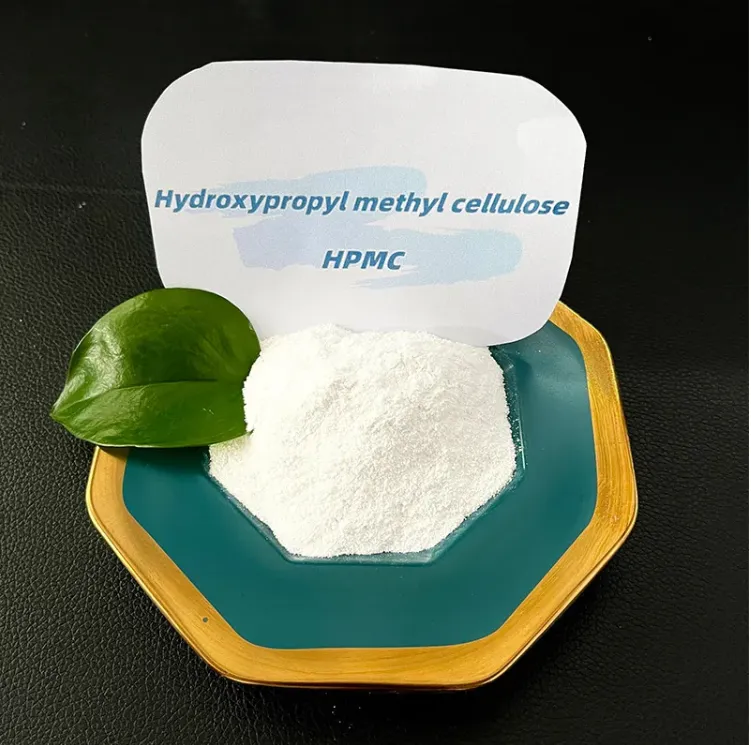
Exploring the molecular weight of hydroxypropyl methylcellulose (HPMC) unveils a nuanced aspect often overlooked yet crucial in multiple applications within pharmaceuticals, construction, and food industries. The molecular weight directly influences HPMC's solubility, viscosity, and functional properties, challenging even the most experienced professionals to match the perfect balance for specific industrial needs. Molecular weight, fundamentally, indicates the size of a single HPMC molecule, typically ranging between 10,000 to 1,500,000 g/mol. This variability allows HPMC to adapt to diverse roles, from thickening agents in sauces to extended-release agents in medicine, showcasing its versatility. In pharmaceuticals, HPMC's molecular weight is instrumental in controlling drug release rates . A higher molecular weight often translates to increased viscosity, which is pivotal in formulating controlled-release drugs. This characteristic ensures that the medication is released at a consistently maintained rate, enhancing the treatment's efficacy and patient compliance. Manufacturers aiming for precision must therefore select HPMC with a molecular weight that aligns perfectly with the intended release profile. The food industry similarly benefits from HPMC's customizable properties. As a stabilizer and texturizer, the molecular weight determines how effectively HPMC can emulsify and retain moisture in products like low-fat dairy or gluten-free items. By adjusting the molecular weight, food technologists can create products with improved mouthfeel and structural integrity, which are crucial for consumer acceptance. In construction, HPMC's role as a rheology modifier is heavily dictated by its molecular weight. For applications in cement-based products, such as tile adhesives or self-leveling compounds, an HPMC variety with an appropriate molecular weight ensures the correct balance of water retention and workability. This factor is critical to achieving the desired slump resistance and tensile adhesion strength in building materials. hpmc molecular weight Despite these benefits, selecting the incorrect molecular weight can lead to suboptimal performance. For instance, in pharmaceuticals, an HPMC with too low a molecular weight could result in rapid drug dissolution, counteracting the desired slow-release effect. Similarly, in construction, using a product with inadequate molecular weight might fail to impart necessary workability or lead to cracking due to insufficient water retention. Adopting a scientific approach, many experts utilize techniques such as gel permeation chromatography or viscometric methods to determine the precise molecular weight of HPMC needed for a given application. These methods provide insights that allow formulators to predict the polymer's behavior, fostering innovation and precision in product development. The authoritative voice in HPMC usage stems from balancing experience with empirical data, ensuring the chosen molecular weight aligns with application-specific requirements. This intricate balance nurtures trust among clients and consumers, who rely on consistent, high-quality products underscored by rigorous scientific validation. In conclusion, understanding and selecting the appropriate molecular weight of HPMC is an art that combines advanced technical knowledge with practical expertise. Professionals tasked with this selection process drive innovation and quality across industries, reinforcing HPMC's role as an indispensable component in achieving desired performance outcomes in countless applications.
-
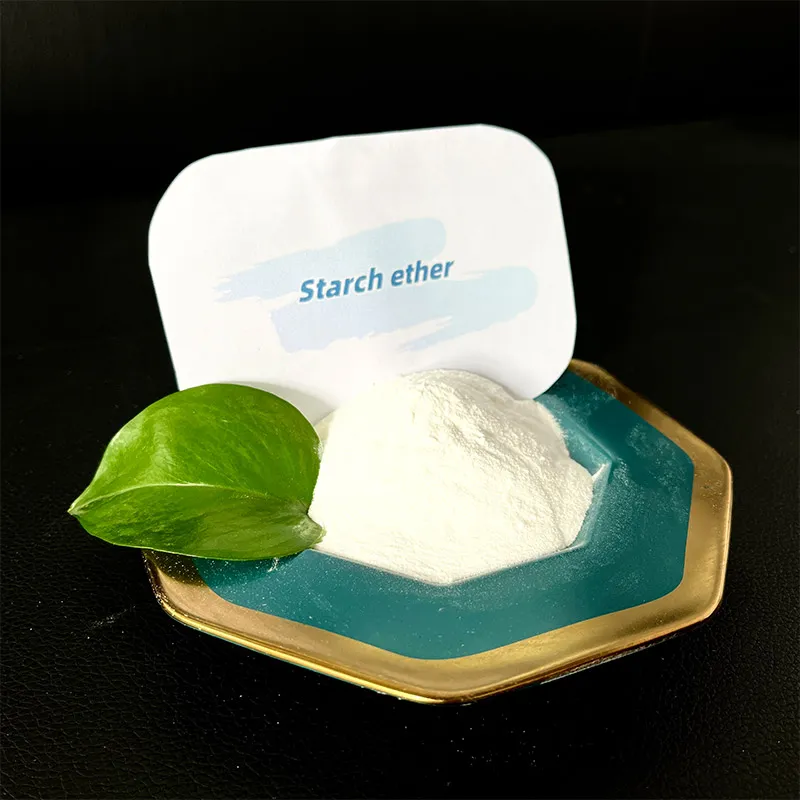
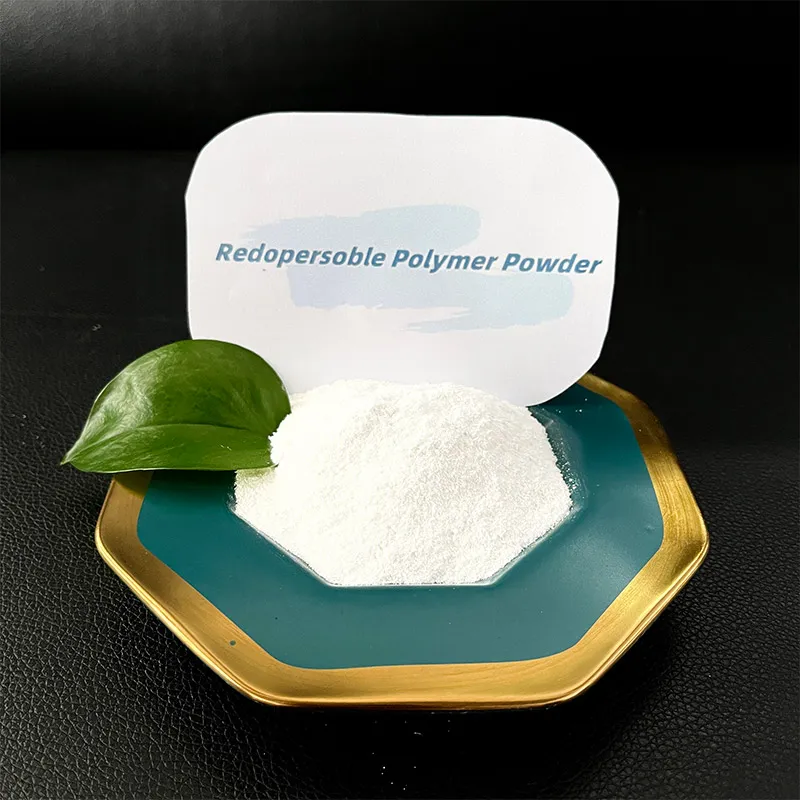
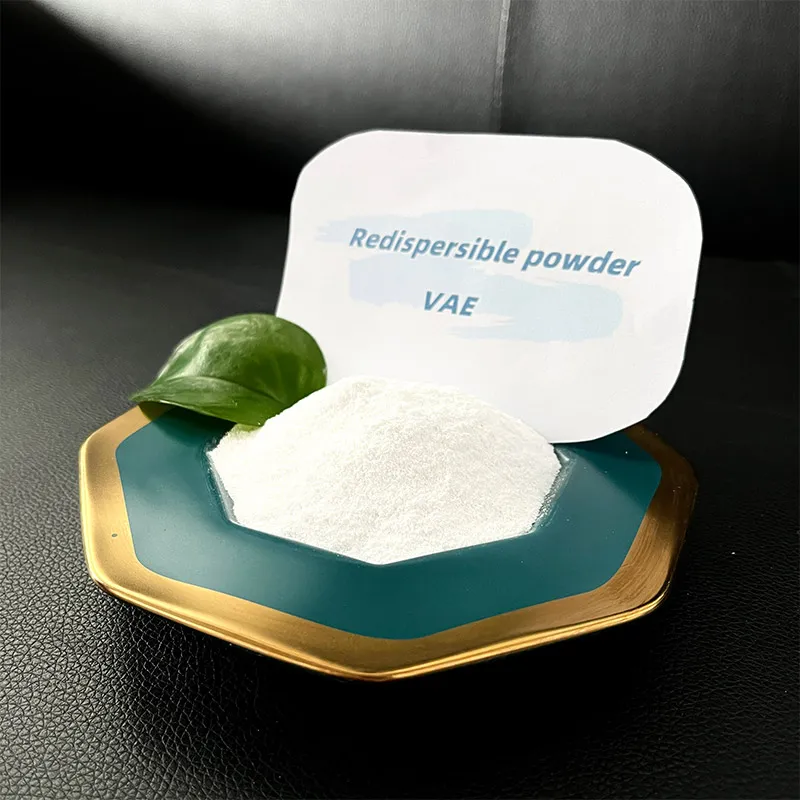
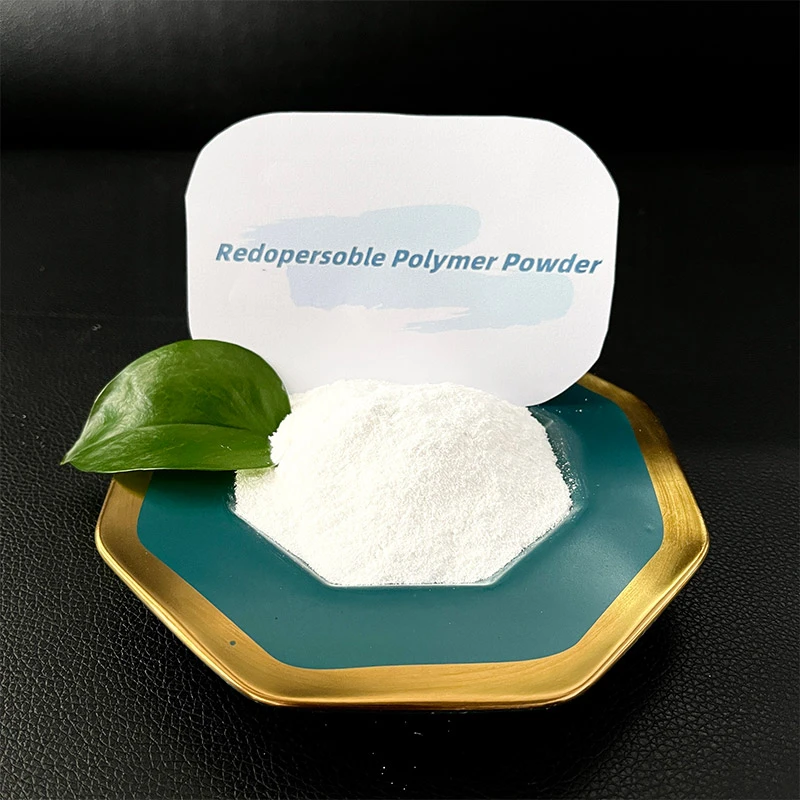
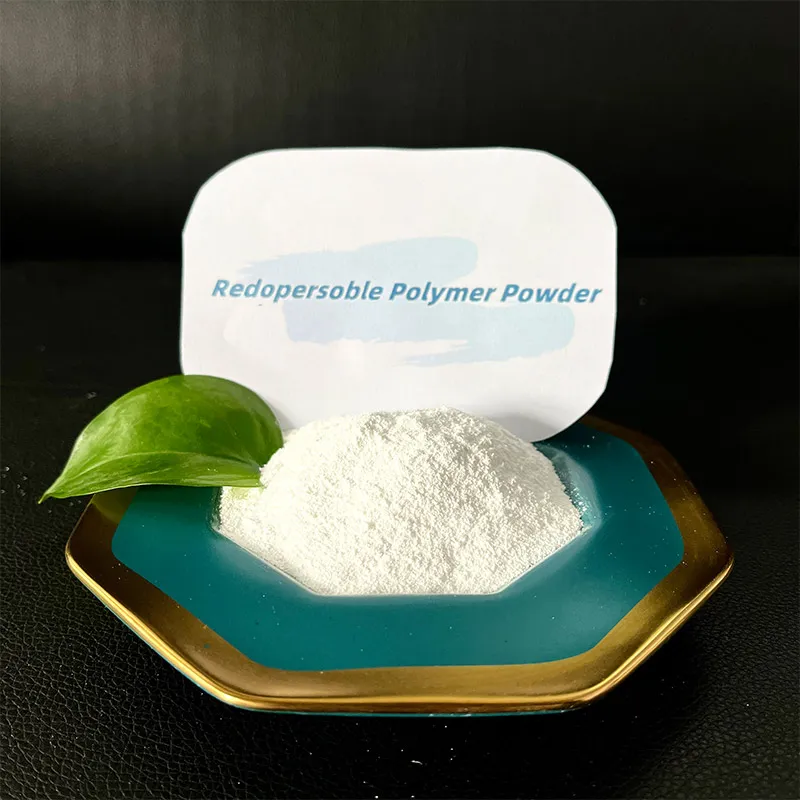
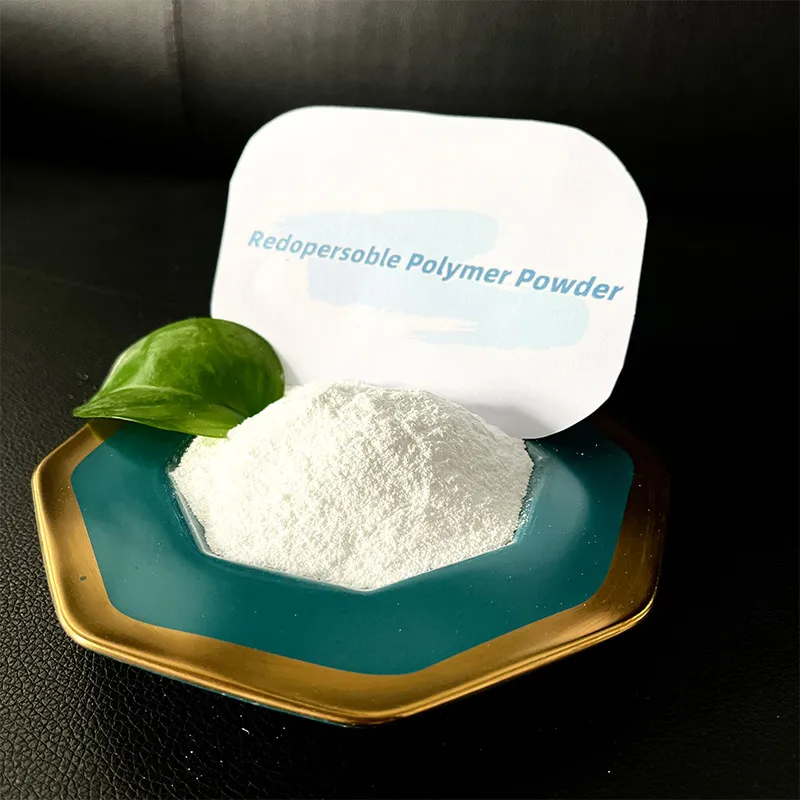
The construction industry is continuously evolving, with new innovations and materials that help improve the quality and durability of structures. Among these innovations is redispersible emulsion powder , a crucial ingredient in modern construction materials. It plays a significant role in enhancing the performance of cement-based products, making them more effective and reliable. This versatile powder is commonly used in applications such as tile adhesives, plasters, self-leveling floors, and repair mortars. It adds exceptional flexibility, adhesion, and durability to these materials, allowing them to withstand the stresses of daily use and harsh environmental conditions. In this article, we will dive deeper into the world of redispersible emulsion powder , examining its characteristics, advantages, and why it has become a key player in the construction industry. We will also explore the process of choosing the right redispersible polymer powder manufacturers , factors influencing polymer powder price , and more. What is Redispersible Emulsion Powder? Redispersible emulsion powder is a fine, white powder made from a polymer emulsion. It is produced by drying the polymer emulsion into a powder form, which can easily be mixed with water to rehydrate and return to its original emulsion state. Once mixed with water, it redisperses, providing excellent bonding properties, flexibility, and water resistance to cement-based mixtures. This ability to reform a stable polymer dispersion makes it an essential ingredient in construction products. The use of redispersible emulsion powder can be seen in a variety of applications, particularly in the creation of adhesives and coatings. In tile adhesives, for example, it helps create a strong bond between the tile and the substrate, reducing the risk of tiles coming loose. In exterior plaster and facade coatings, it provides water resistance and flexibility, which is essential for withstanding environmental stresses such as wind, rain, and UV exposure. The powder is especially important in self-leveling floor systems, where it enhances the material's workability, ensuring it spreads easily and bonds securely to the substrate. Additionally, redispersible emulsion powder is commonly used in repair mortars for its superior adhesion to old concrete and other surfaces. Advantages of Using Redispersible Emulsion Powder The widespread use of redispersible emulsion powder in construction materials is due to its many advantages. One of its most significant benefits is its ability to improve the bonding of cement-based mixtures to a variety of surfaces. The polymer powder significantly enhances the adhesive strength of the materials, reducing the likelihood of peeling, delamination, or failure, especially in high-stress areas. Another key advantage is the improvement in flexibility. The polymer powder enhances the flexibility of construction materials, which is particularly beneficial for areas that experience movement or stress, such as floors and facades. This added flexibility helps to prevent cracks, ensuring that the materials last longer and maintain their integrity over time. In addition to flexibility, redispersible emulsion powder also provides better water resistance. This is especially important in exterior applications or areas exposed to high moisture levels. For example, in tile adhesives or exterior plasters, the polymer powder reduces water absorption and improves the longevity of the material. The powder also improves the workability of construction mixtures, making them easier to apply and spread over surfaces. The ability to adjust the consistency of the mixture with the addition of redispersible emulsion powder allows for smoother applications and better finishing results. Lastly, the cost-effectiveness of redispersible emulsion powder makes it an attractive option for construction projects. While it enhances the performance of the materials, it is still relatively affordable compared to other polymer additives, offering excellent value for the quality it provides. Choosing the Right Redispersible Polymer Powder Manufacturers When selecting a redispersible polymer powder manufacturer , it is essential to choose a reputable and reliable supplier. The quality of the product you use will directly affect the performance of your construction materials. Here are some key factors to consider when choosing a manufacturer: First and foremost, product quality should be your top priority. Choose a manufacturer who adheres to strict quality control measures to ensure the consistency and reliability of their products. High-quality polymer powders lead to better-performing construction materials, reducing the chances of failures or defects during construction. In addition to quality, consider the manufacturer’s ability to provide consistent supply and timely deliveries. Construction projects often have tight timelines, and delays in material delivery can impact the overall project schedule. A manufacturer with a solid track record of on-time delivery and sufficient stock can help you avoid project delays. It is also important to choose a manufacturer who is committed to innovation and research. New formulations and advancements in technology can improve the performance of redispersible polymer powders , offering enhanced characteristics like better water resistance, lower viscosity, or quicker curing times. A manufacturer focused on innovation will provide you with products that meet the latest industry standards and trends. Another crucial factor to consider is the level of customer support the manufacturer offers. Good customer service ensures that you can get the answers you need, whether it’s technical assistance or help with product selection. A knowledgeable and responsive support team can make a significant difference when you need advice on using the product in specific applications. Finally, the price of the product is a crucial consideration. While redispersible polymer powders are relatively cost-effective, prices can vary between manufacturers. It’s important to balance quality with cost, ensuring that you get the best value for your budget. Understanding the Polymer Powder Price The polymer powder price is an important factor for construction professionals when selecting materials for a project. The price of redispersible polymer powder can vary depending on several factors. One of the primary determinants of price is the cost of raw materials. The quality and availability of the raw materials used to produce the polymer can impact the overall price of the powder. The production process also plays a role in determining the price. Manufacturers who use advanced equipment and technologies may produce polymer powders that have enhanced performance characteristics. While these products might come at a higher price, they often offer superior qualities, such as better flexibility, adhesion, or water resistance, which can be valuable in certain applications. Market demand is another significant factor that influences the price of polymer powders. During peak construction seasons, when demand for building materials is high, the price of redispersible polymer powder may increase. Conversely, during off-seasons, manufacturers may lower prices to remain competitive in the market. Shipping and packaging costs can also affect the price. Bulk orders typically come at a lower cost per unit compared to smaller orders, as they reduce the need for extensive packaging and transportation logistics. Selecting the Right Polymer Powder for Your Project Selecting the right redispersible polymer powder for your construction project is crucial for achieving the desired results. Not all polymer powders are the same, and each formulation has its unique characteristics. Factors such as environmental conditions, the type of substrate, and the specific performance requirements of your application will all influence the type of polymer powder you choose. When working on a project exposed to moisture or harsh weather conditions, you will need a polymer powder that offers excellent water resistance. For applications like exterior plaster or tile adhesives, this is especially important to prevent the material from weakening over time due to water absorption. Consider the type of surface you are working with as well. For porous surfaces, such as concrete, a polymer powder with strong adhesive properties will help ensure a solid bond. For smoother surfaces, such as tiles, look for a polymer that enhances the workability and ease of application. Understanding the performance properties of the polymer powder is also essential. Depending on your project, you may need a product that offers enhanced flexibility, faster drying times, or improved adhesion. Be sure to evaluate your specific needs before selecting the right polymer powder for your application. Redispersible polymer powder FAQs What is redispersible emulsion powder used for in construction? Redispersible emulsion powder is used to enhance the performance of cement-based materials. It is commonly added to tile adhesives, plasters, repair mortars, and other construction products to improve bonding, flexibility, water resistance, and workability. How do I choose a redispersible polymer powder manufacturer? To choose a reliable manufacturer, look for a company with a strong reputation for product quality, consistency, and on-time delivery. It’s also important to consider the manufacturer’s innovation in product development and the level of customer support they provide. Why does the polymer powder price vary? The price of polymer powder varies due to factors such as raw material costs, production methods, market demand, packaging, and shipping. Higher-quality powders with additional performance characteristics may be priced higher than standard options. Can redispersible emulsion powder be used for exterior applications? Yes, redispersible emulsion powder is highly effective for exterior applications. It improves the water resistance and flexibility of exterior plasters and coatings, making them more durable in harsh weather conditions. What are the key benefits of using redispersible polymer powder in construction materials? The key benefits include enhanced adhesion, improved flexibility, water resistance, and better workability. These qualities help ensure the durability and longevity of construction materials, especially in demanding applications.
advantages
-

200000 Viscosities
Excellent product
We can produce pure products up to 200,000 viscosities
-

40000 tons
High yield
We don’t stop production all year round, and the annual output can reach 40,000 tons
-

24 hours
Quality service
We provide 24-hours online reception service, welcome to consult at any time
———— Inquiry Form
Schedule A services
-
 hpmc_2
Oct . 25, 2025
In today’s industrial and personal care sectors, raw materials must deliver more than just functiona -
 nylon_is_synthetic_fibre
Oct . 25, 2025
Long glass fiber reinforced polypropylene is revolutionizing the way industries approach manufacturi -
 acrylic_fiber
Oct . 25, 2025
Hydroxypropyl methylcellulose (HPMC), a versatile pharmaceutical excipient, plays a crucial role in


